The True Cost of Owning a Rental Property (What Most Investors Get Wrong)
Why "Rent Minus Mortgage" Is the Fastest Way to Lose Money
If you're analyzing a rental property like this:
Rent – Mortgage = Profit
You're setting yourself up to lose money.
It looks clean. It feels logical. It's also incomplete.
The reality is: cash flow is determined by everything you forget to include. And most investors forget a lot.
My Real Deal: $179K Purchase → $2,200/month Income (But It Wasn't Simple)
I bought a foreclosure for $179,000 and turned it into a 5-bedroom house hack, renting out each room individually.
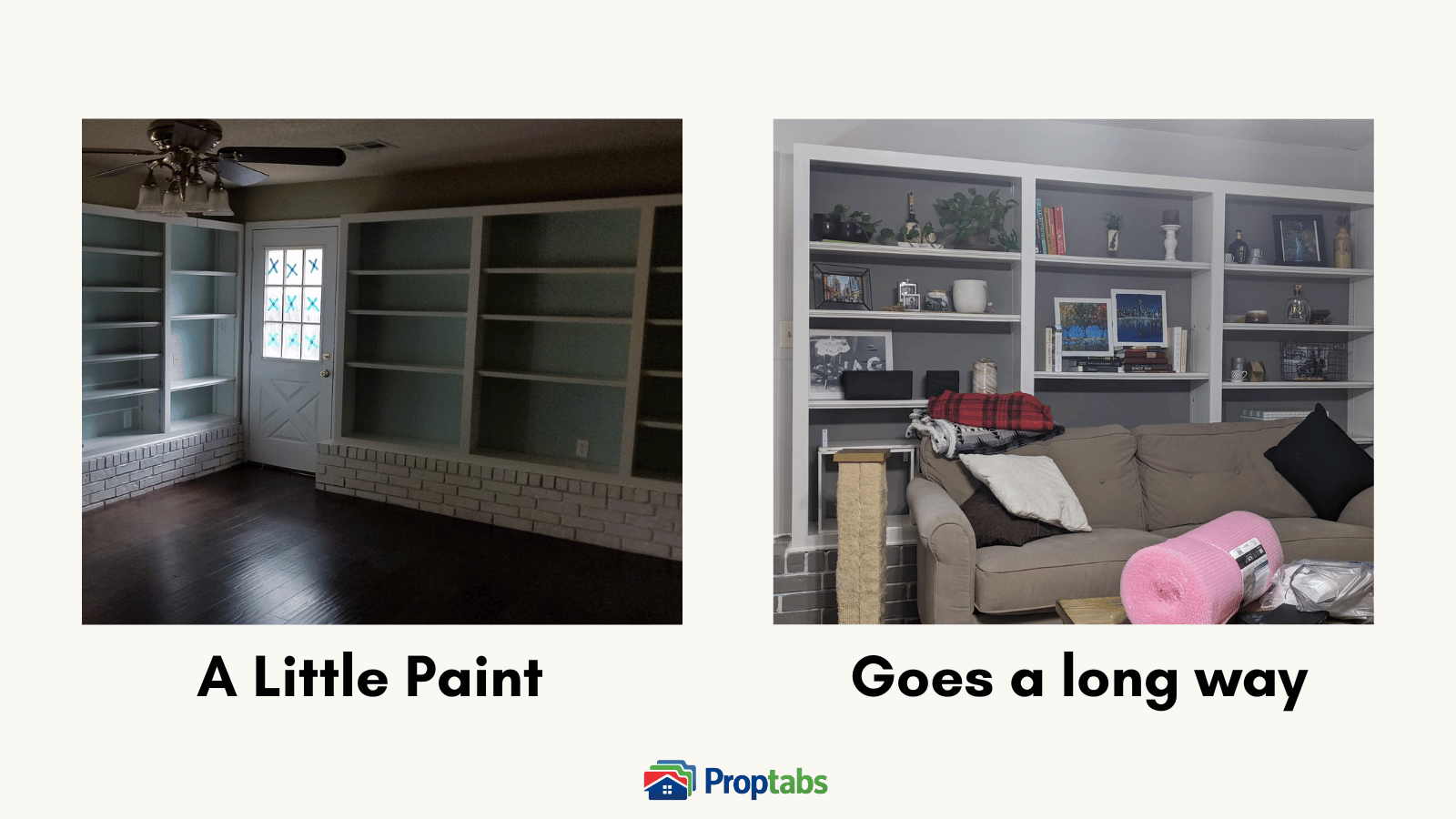
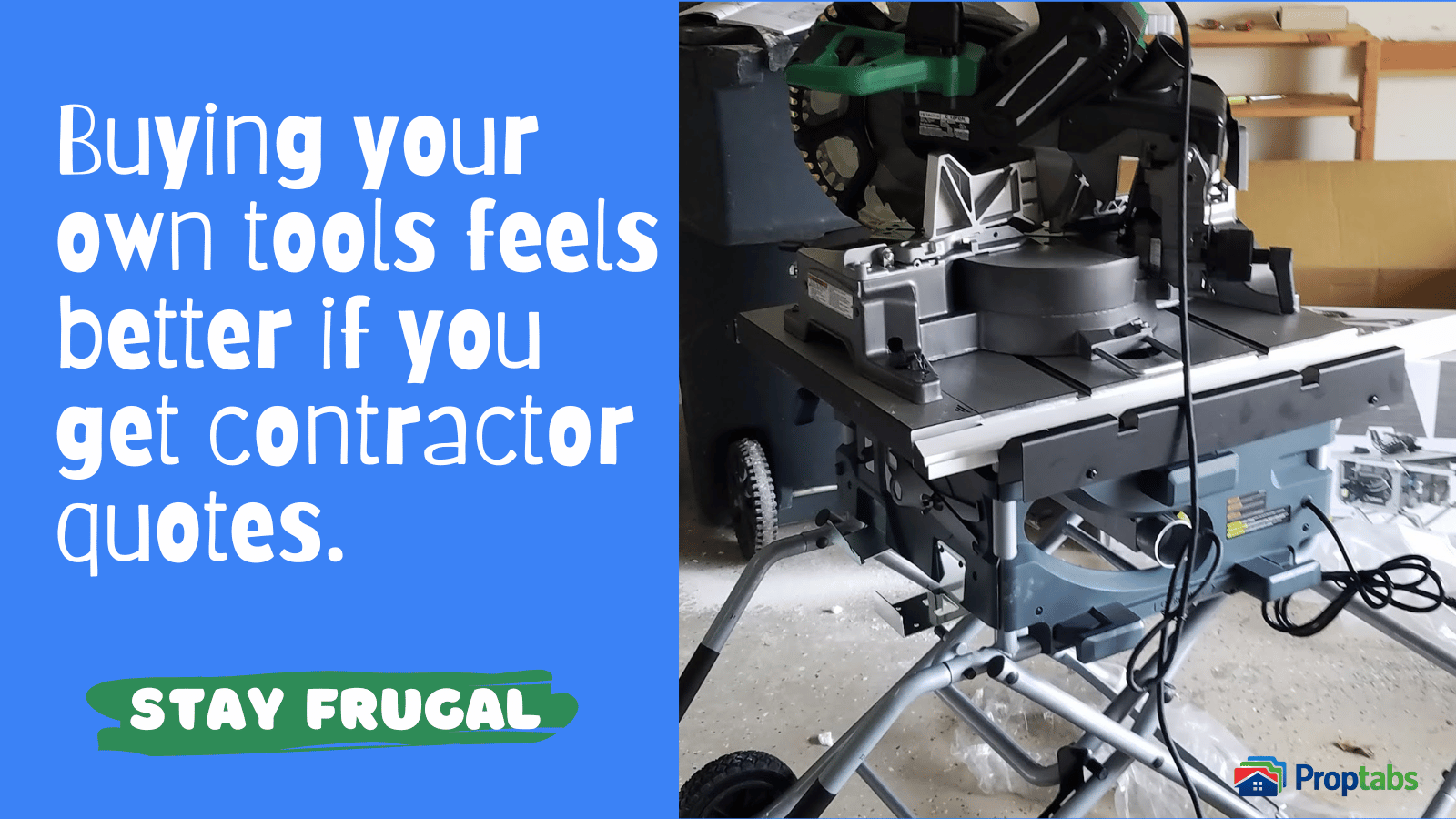
I spent about $30,000 on renovations, including tools and a new roof. That roof alone? $11,000. That was one of the biggest unexpected costs.
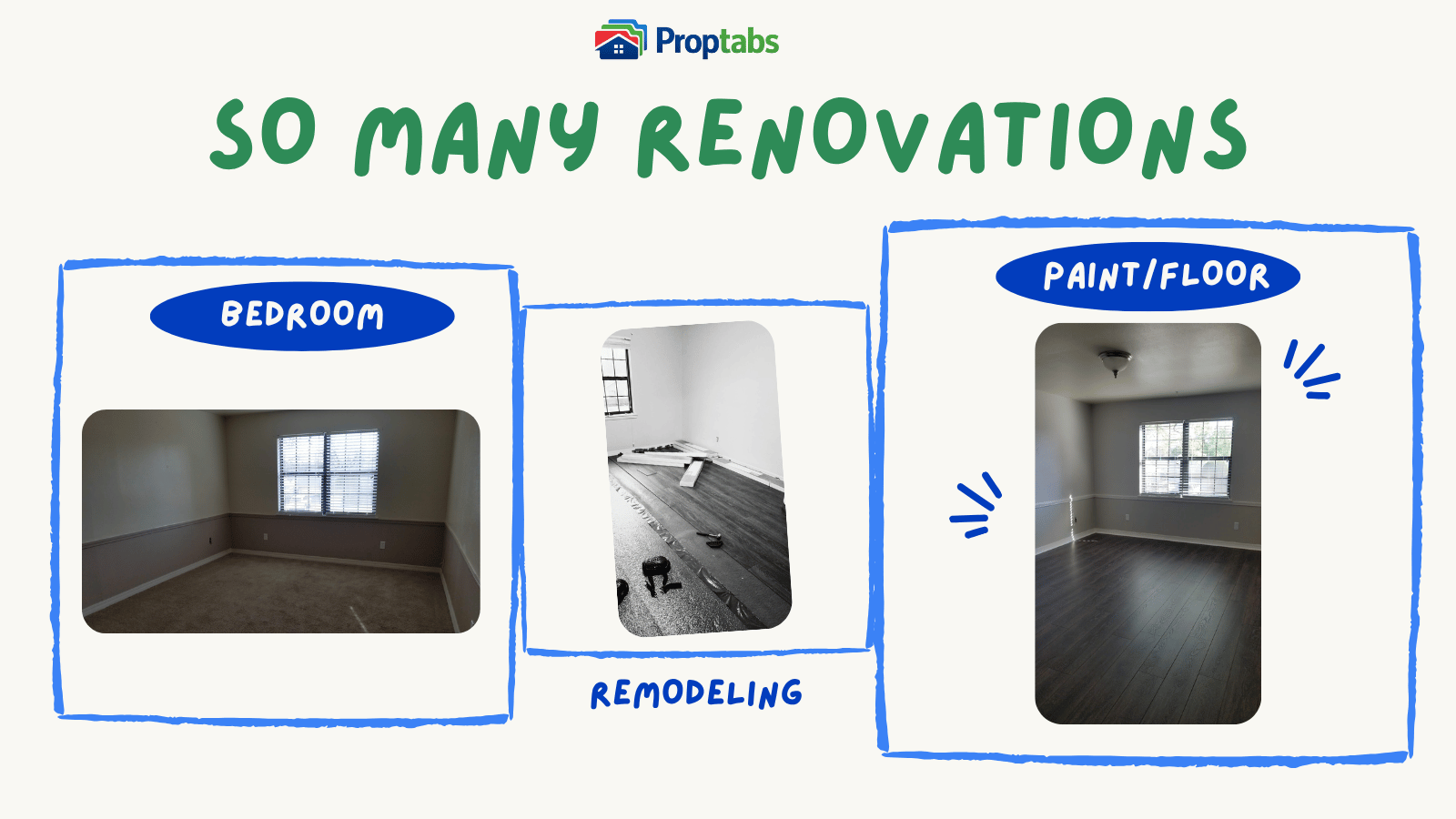
What the Deal Looked Like After Renovation
- Total investment: ~$209,000
- Monthly rental income: ~$2,200
- I lived there for free
Sounds like a perfect deal, right? It was a great deal. But it only worked because I accounted for the full picture.
Financing Reality (This Is Where Most People Miss It)
I used private financing. After about 3 years, I paid back roughly $200,000 total. That changes the math. A lot.
The Biggest Mistake I Made (And Most Investors Make)
I underestimated renovation costs. Not by a little. By enough that it could've killed the deal if margins were tighter.
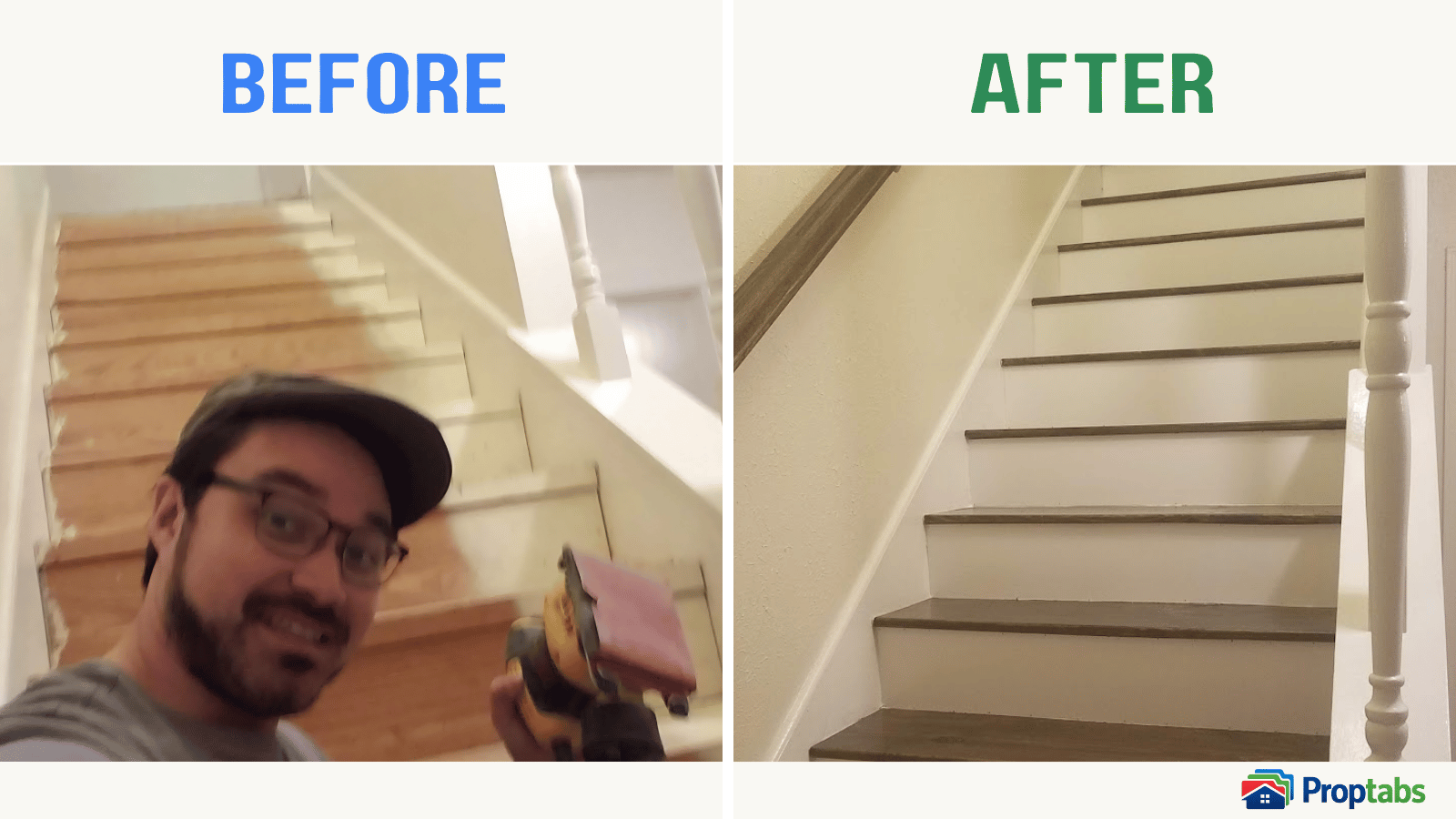
That's the hidden danger: deals don't fail because of one big mistake. They fail because of a bunch of small underestimations.
What Do You Actually Pay Each Month?
Here's what a typical $350,000 single-family rental looks like.
Fixed Costs (What Everyone Sees)
- Mortgage (Principal + Interest)
- Property Taxes: ~0.5%–2.5% annually
- Insurance: ~0.3%–0.5% annually
- HOA (if applicable)
Hidden Costs (What Actually Matters)
This is where deals live or die.
- Maintenance: ~1% annually; more if the property is older
- Capital Expenditures (CapEx): ~0.5% annually; covers roof, HVAC, water heater
- Vacancy: 5%–10%; even great rentals sit empty
- Property Management: 10%–15%; optional until you scale or value your time
Real Monthly Cost Breakdown (Example)
Monthly Cost Breakdown
$350,000 single-family rental — estimated monthly expenses
Now let's compare that to rent. If rent is $3,200/month, you're not cash flowing. You're losing money.
Why So Many "Good Deals" Are Actually Bad
A deal looks great because rent covers the mortgage, maybe even shows $200–$300 in "profit." But once you add real expenses? It disappears.
Deals look good all the time. Cash flow after expenses weeds them out. Not everything is a good rental investment. That's okay. That's how you avoid the bad ones.
Myth vs. Reality: Rental Property Investing
Myth: "If it cash flows, it's a good deal."
Reality: Only if you're using real numbers, not optimistic assumptions.
Myth: "Renovations are predictable."
Reality: They are not. My roof alone cost $11,000. That wasn't in the original plan.
Myth: "I'll figure out expenses later."
Reality: That's how you lock yourself into a bad deal.
Step-by-Step: How to Analyze a Rental Property (Correctly)
1. Start With Realistic Rent
Use comparable properties. Don't assume top-of-market unless justified.
2. Add Every Expense
Include: mortgage, taxes, insurance, maintenance (1%), CapEx (0.5%), vacancy (5%–8%), and property management, even if you self-manage.
3. Calculate True Cash Flow
Rent – Total Expenses = Real Cash Flow
4. Stress Test the Deal
Ask: What if rent drops 10%? What if vacancy doubles? What if a $10k repair hits? If the deal breaks easily, it's not a good deal.
5. Be Willing to Walk Away
This is the hardest part. And the most important.
The best deal you ever make is the one you don't.
Why I Stopped Using Excel for Deal Analysis
For years, I ran everything in Excel. Every property. Every scenario. It worked, but it had problems: it was slow, easy to miss variables, hard to access on the go, and not easy to share. I wanted something simpler, faster, and more reliable.
That's Why I Built PropTabs
PropTabs is the tool I wish I had when I started. Instead of guessing or rebuilding spreadsheets every time, you can:
- Enter a property address
- Plug in your offer price
- Add rent estimates
And instantly see: true monthly cost, cash flow, ROI, and breakeven point.
It forces you to include maintenance, CapEx, vacancy, and realistic assumptions. No shortcuts. No fake deals.
If you're analyzing a deal right now, run the full numbers before making an offer. You might realize the deal is better than you thought. Or it's one you should walk away from. Both outcomes are wins.
Final Thought: Most People Don't Lose Money Fast
They lose it slowly, through small missed expenses, slightly wrong assumptions, and "good enough" analysis. By the time they realize it, they're already in the deal.
About the author

Jonah Jamesen
Jonah Jamesen is a real estate investor who converted a foreclosed 5-bedroom home into a fully renovated house hack generating $2,200/month while living there rent-free. He has hands-on experience with full gut renovations, room-by-room rentals, self-managing properties, and working with property management companies — all while holding down a full-time job. PropTabs is the deal analysis tool he built because he was tired of rebuilding the same spreadsheet for every property.